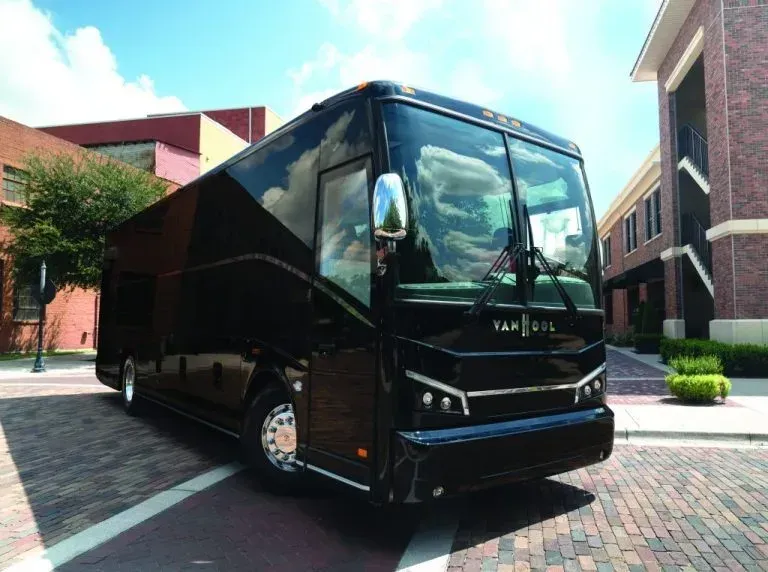
Arranging transportation for a large group can quickly grow into a complex assignment when multiple schedules, pickup logistics, and travel expectations come into play. Whether the occasion involves corporate gatherings, family celebrations, group outings, or special events, ensuring everyone arrives together and on time requires thoughtful planning. A well-organized transportation strategy helps eliminate confusion, reduces delays, and creates a more enjoyable experience for everyone involved. By mastering the important elements of coordinating group transportation, planners can deliver a smooth and organized travel experience from start to finish.
When large groups travel together, transportation becomes more than simply moving passengers from one location to another. It becomes a significant component of the entire event experience. Effective coordination helps keep schedules on track, enhances communication among travelers, and supports a more comfortable trip. At A1 Quality Express Limousine, we recognize the value of providing structured transportation solutions that allow groups to travel comfortably and confidently.
Start Planning Transportation Well in Advance
Effective group transportation starts with advance preparation. Leaving transportation planning too late may restrict options and complicate efforts to address specific group needs. Organizers should first establish attendance numbers, travel dates, projected departure times, and destination details. Gathering this information early creates a solid foundation for making transportation arrangements that support the event's overall schedule.
Planning ahead also provides opportunities to recognize potential issues before they escalate. Traffic patterns, event schedules, pickup logistics, and passenger accessibility needs can all influence transportation plans. Taking care of these elements early allows organizers to implement transportation plans that keep travelers moving effectively. Careful planning regularly produces more efficient travel experiences with fewer complications.
Identify the Group's Size and Requirements
An essential part of coordinating transportation involves understanding the group’s size and individual travel needs. Reliable attendance numbers contribute to selecting appropriate transportation options and maximizing efficiency. Organizers should determine attendance figures in advance and continue refining them as plans develop.
Passenger counts are important, but personal requirements within the group should also be considered. Travelers may have varying requirements, including extra luggage space or specialized support services. Identifying these needs enables organizers to customize transportation solutions effectively. Investing time in collecting detailed information helps support a smoother and more comfortable journey for everyone involved.
Design a Well-Organized Transportation Schedule
A clear transportation schedule serves as a roadmap for the entire group. Coordinators should define departure timings, pickup areas, estimated travel durations, arrival expectations, and stopovers along the route. A clear schedule helps eliminate uncertainty and keeps all participants informed of timing and locations. Consistency and clarity are especially valuable when managing larger groups with multiple participants.
Communication is a key factor in ensuring schedules work effectively. Every passenger should receive transportation details well before the event begins. Providing schedules through digital platforms or printed copies helps maintain awareness among participants. Clear expectations help transportation operations function more effectively and smoothly.
Set Up Central Pickup and Drop-Off Points
Working with many pickup locations can introduce avoidable challenges in coordination. When possible, coordinators should use unified pickup and drop-off points for participant convenience. Centralizing locations helps speed up boarding and minimizes delays caused by frequent stops. It also simplifies communication and improves overall efficiency.
Centralized points allow for easier confirmation of all travelers before departure. Team leaders can confirm group members, distribute information, and handle inquiries before departure. This method supports preparedness and keeps transportation operations on track. Clear gathering points play a major role in creating smooth travel experiences.
Ensure Clear Communication at Every Stage
Effective communication is one of the most valuable tools in successful transportation coordination. Participants must be kept informed of schedules, instructions, and any adjustments. Accurate communication reduces confusion and helps passengers prepare properly. Strong communication increases both efficiency and overall satisfaction.
Organizers should establish reliable methods for sharing updates before and during the event. Communication tools such as messaging systems and emails ensure timely information sharing. In the middle of any successful transportation plan, communication remains the connecting element that keeps everyone informed and aligned. Frequent updates improve reassurance and reduce potential issues.
Be Ready for Unplanned Events
Even well-planned transportation schedules may face unforeseen situations. Unpredictable factors like weather and traffic may require prompt decision-making. Adding flexibility to plans helps coordinators respond efficiently to unexpected issues. Proper preparation helps maintain stability despite evolving circumstances.
Contingency planning should include backup communication methods, alternate routes when appropriate, and designated points of contact who can assist with decision-making. Prepared systems help reduce stress and maintain order during disruptions. Anticipatory planning keeps operations effective even when changes occur.
Put Passenger Comfort and Convenience First
The comfort of travelers strongly influences the journey experience. Extended group travel makes comfort and convenience key priorities. Comfortable seating, organized boarding procedures, and a well-managed travel environment help create a positive atmosphere throughout the journey. Travelers who feel comfortable are more likely to enjoy the experience and arrive ready for their planned activities.
Ease of travel contributes significantly to successful coordination. Simplified boarding processes, clear instructions, and efficient scheduling reduce unnecessary complications for passengers. When transportation is thoughtfully organized, travelers can focus on enjoying the event rather than worrying about logistics. A comfortable and convenient journey often enhances the overall success of the occasion.
Engage Professional Transportation Specialists
Coordinating transportation for large groups involves many moving parts, making professional support a valuable resource. Experienced teams are skilled in managing logistics and maintaining smooth operations. Their skills assist in managing logistics while keeping operations organized.
Skilled transport professionals bring practical knowledge that enhances coordination. Familiarity with large-group travel allows professionals to foresee challenges and offer guidance. Using expert support allows organizers to concentrate on the event while logistics are managed properly.
Make Transportation an Extension of the Event
Transportation should be considered part of the event rather than just a way to travel. Coordinated travel allows guests to start experiencing the event early. Good coordination contributes positively to the event experience and creates a welcoming tone.
At A1 Quality Express Limousine, we understand that successful transportation relies on planning, get more info communication, and customer care. Group transportation becomes manageable when structured methods are followed. By emphasizing structure, preparation, and comfort, groups can experience smooth travel that enhances any event. We take pride in offering transportation solutions that support confident and stress-free travel.